Shopping Cart (0)
Your cart is currently empty.


A thing of beauty, for your joy forever
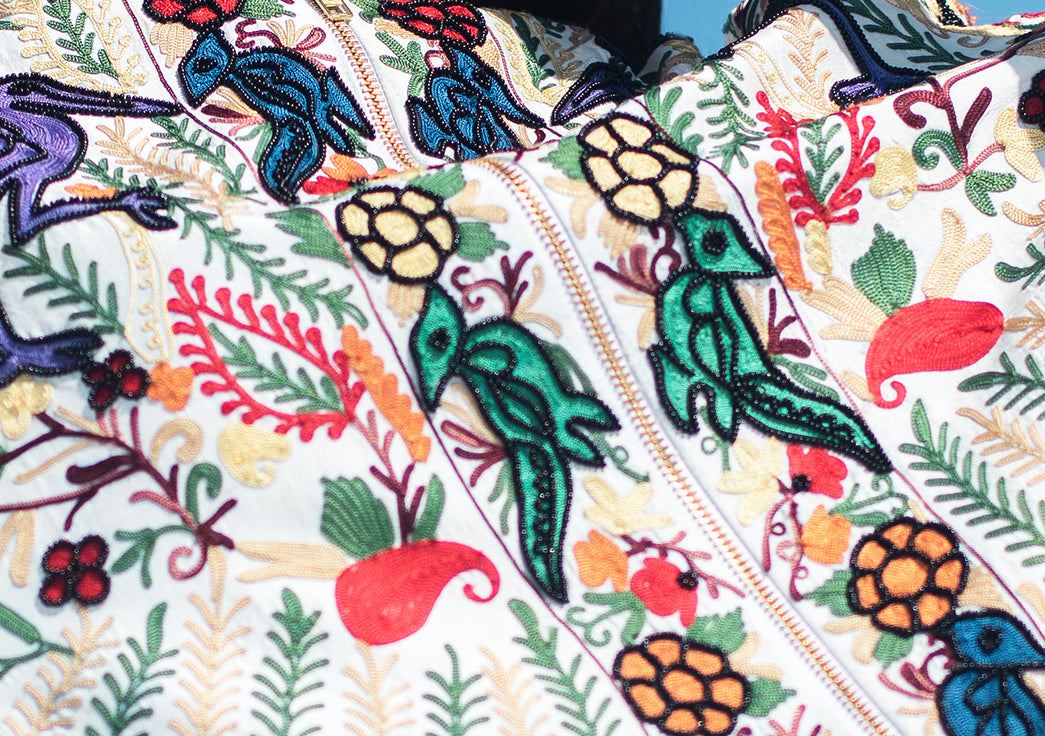
Nature-inspired, gorgeous motifs in bright color tones that spark joy and positivity, and connect with you.
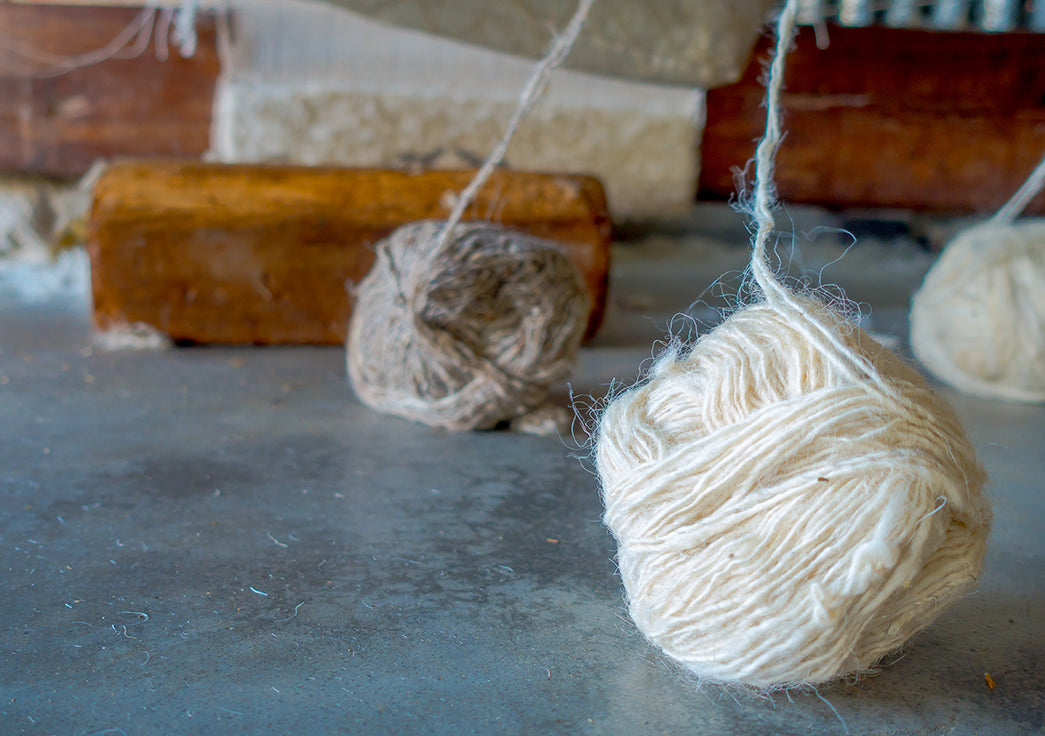
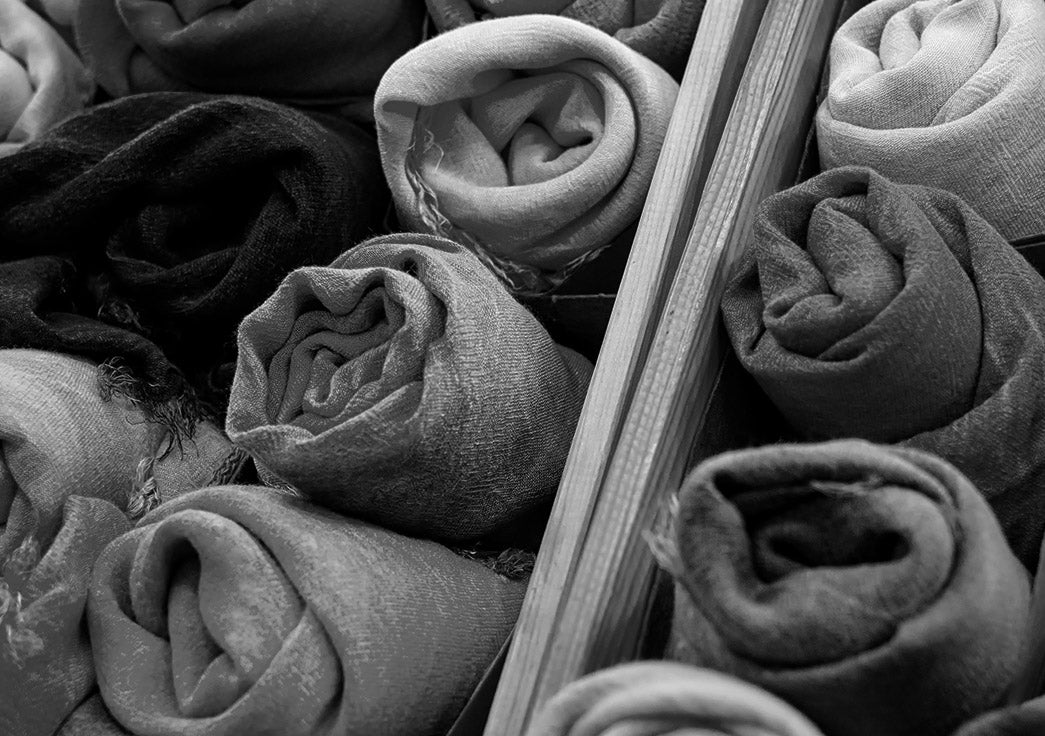
Responsibly and ethically sourced, plush fabrics that are visually pleasing but comfortable on your body, and sustainable enough to wear for a long time.
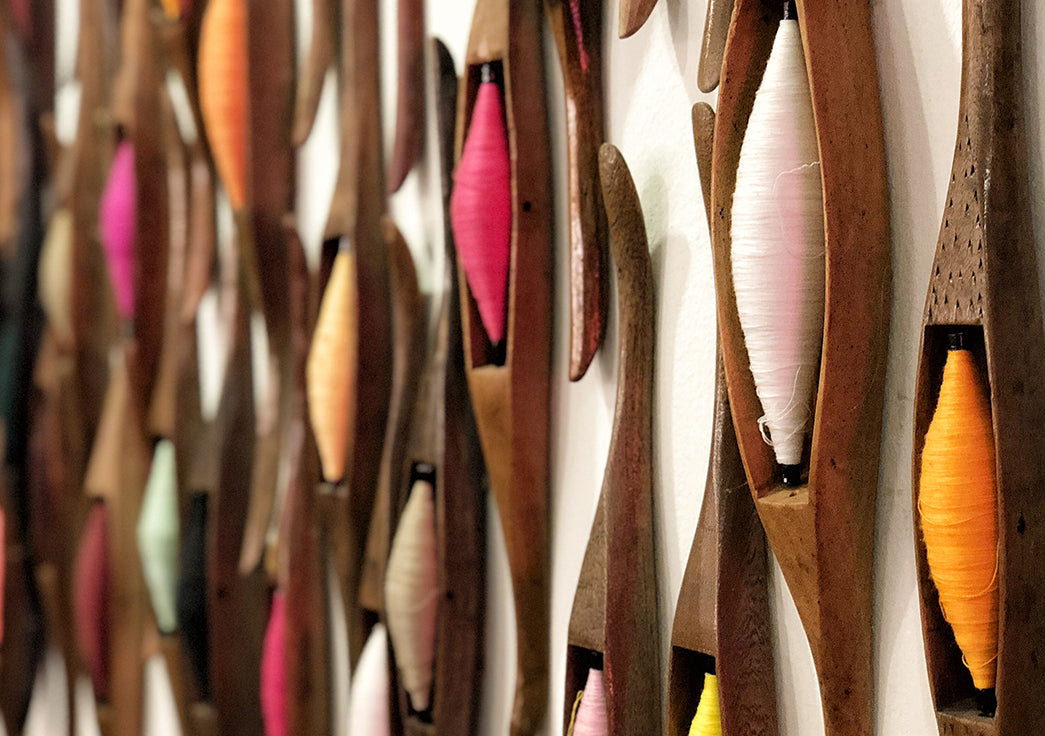
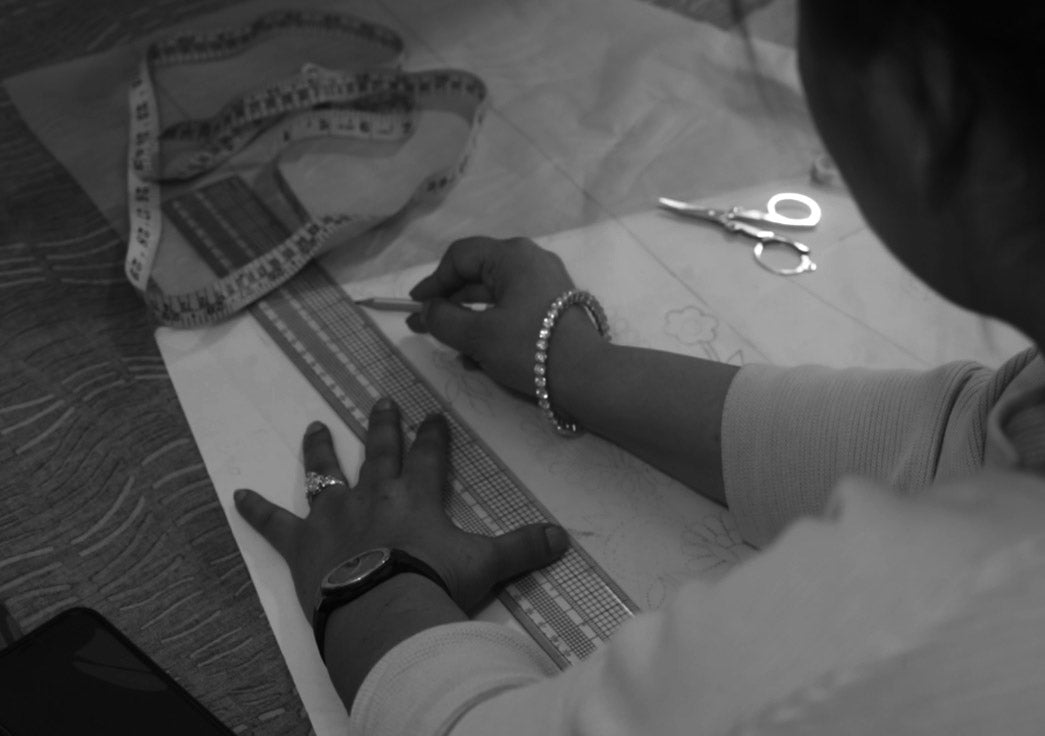
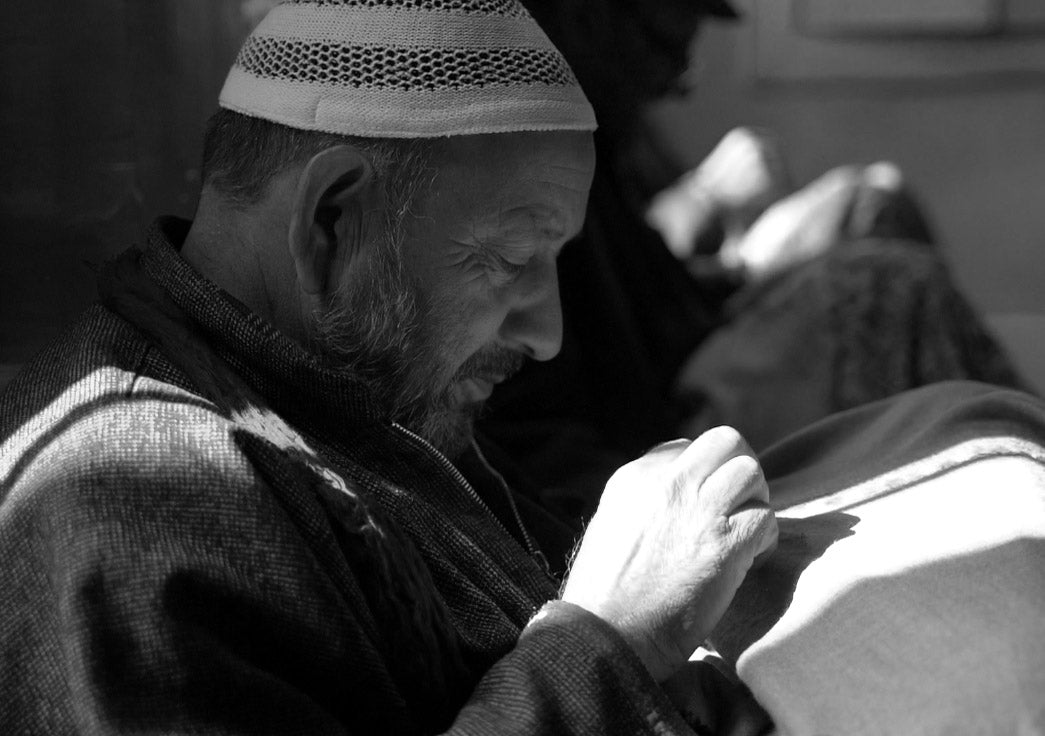
Simple, age-old hand embroidery techniques using needles, crewels, and thimbles, to weave lively designs.
It begins with a design drawn on tracing paper, which is perforated along its outline and used to transfer the motif onto fabric with a liquid marker, a technique called Khakha. The marked fabric is mounted on a wooden frame, and artisans then work the motif by hand in silk and metallic thread using needles, crewels and thimbles.
Khakha is the traditional Kashmiri method of transferring an embroidery design onto cloth. The motif is drawn on tracing paper, fine holes are punched along the outline, and a liquid marker is passed over the paper so the design prints through onto the fabric below. It is a hand-cut stencil, made fresh for each design.
Between one week and sixty days, depending on how dense the embroidery is and which stitches it uses. Sozni needlework is the slowest, tilla metalwork the most exacting. A lightly worked piece finishes quickly, while a fully embroidered occasion garment can occupy an artisan for two months.
No. Every stitch on a Luxuries of Kashmir garment is worked by hand by an artisan, using needles, crewels and thimbles. There is no machine stage at any point in the process.
Chanderi silk, georgette, organza, raw silk, dupion silk, Bangalore silk and pashmina. The fabric is chosen alongside the embroidery style, because the weight of the stitch and the weight of the cloth have to suit each other.
